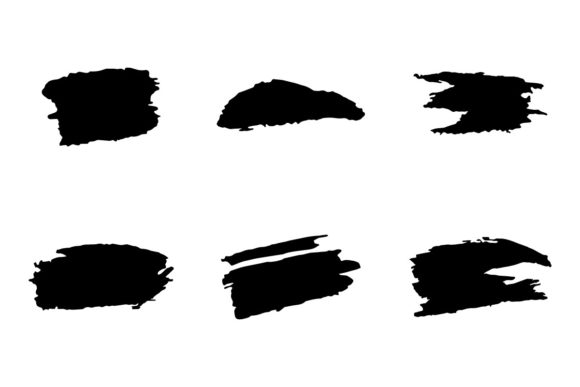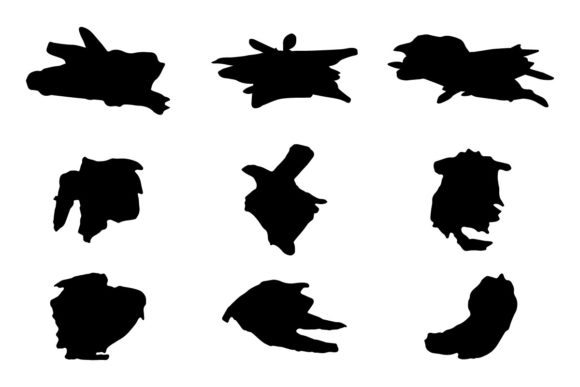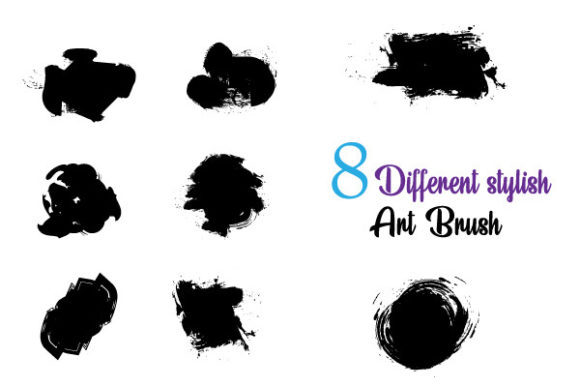
Hand Made Art Brushes for Adobe Illustrator: Messy, Textured & Authentic
Why "Perfect" Digital Art Often Feels Lifeless
You know the feeling. You spend hours on a vector illustration in Adobe Illustrator, and the lines are crisp, the fills are solid, the curves are mathematically flawless. Yet something is missing. The work feels sterile, overly digital, and lacks the soul of something drawn by hand. This is the core problem that Hand Made Art Brushes are designed to solve. They aren't just a collection of shapes; they are a toolkit for injecting authentic, human imperfection directly into your vector workflow.
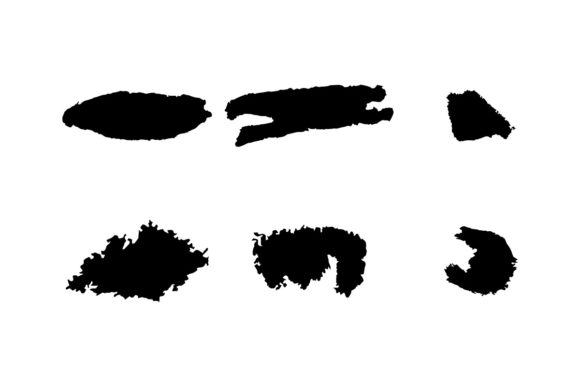
These brushes are intentionally messy, inky, rough, textured, and even glitchy. They mimic the unpredictable nature of real ink on paper, the drag of a worn-out brush, or the happy accident of a pen running dry. The result is a set of exclusive brushes that give your digital work a tangible, organic quality. Instead of fighting against the precision of vector software, they leverage it to create controlled chaos. You get the scalability and editability of Adobe Illustrator CC files—provided in SVG and EPS formats—while embracing the beautiful flaws of traditional media.
Unpacking the Personality: More Than Just a Toolset
Think of Hand Made Art Brushes not as a static font, but as a dynamic creative font system for illustration. Each brush has its own personality. Some emulate the bold, expressive strokes of a Japanese calligraphy brush, perfect for impactful logo design or social media graphics that need to stop a scroll. Others replicate the delicate, scratchy texture of a crowquill nib, ideal for intricate details in editorial design or packaging design where a storybook or vintage feel is desired.
The "glitchy" aspect is particularly powerful for modern projects. It allows you to create digital artifacts and distorted textures that feel right at home in music artwork, tech branding, or contemporary poster design. This versatility means the brushes aren't limited to a single aesthetic. They can be edited and combined, letting you build a truly unique visual language. You might use a rough inky stroke for a main headline, pair it with a textured fill for a background, and add glitchy accents for emphasis. This level of customization is what separates a generic asset from a cornerstone of a strong brand identity.
Practical Applications Across Your Creative Projects
The real-world value of these brushes lies in their adaptability. Here’s how different professionals might put them to work:
- For Brand Strategists & Logo Designers: Use a bold, textured brush stroke as the foundation of a wordmark for a coffee roaster, artisan bakery, or indie record label. The inherent texture communicates handcraft, authenticity, and care—values that are difficult to achieve with clean, geometric sans serif font or serif font options alone.
- For Marketers & Content Creators: Create standout social media graphics, YouTube thumbnails, or podcast cover art. A single, expressive brush stroke can serve as a dynamic underline, a frame for text, or an abstract element that adds energy and visual hierarchy to your layout. It makes promotional material feel less corporate and more personal.
- For Publishers & Editorial Designers: Enhance editorial design in magazines, book covers, or zines. Use the brushes for chapter headings, pull quotes, or spot illustrations. They add a layer of tactile interest that engages the reader on a different level than typeset text, improving the overall narrative experience.
- For Packaging & Product Designers: In packaging design, texture is a key player in shelf appeal. These brushes can create patterns, borders, or illustrative elements that suggest the product is handmade, organic, or premium. They work beautifully on labels, shopping bags, and promotional inserts.
- For Hobbyists & Crafters: Design unique greeting cards, wedding invitations, or art prints. The ability to customize colors and edit strokes means you can create something that feels deeply personal and one-of-a-kind, far removed from template-based design.
Working with Texture: A Practical Guide to Integration
Adopting a textured asset like this requires a slight shift in mindset. The goal isn't to use it everywhere, but to use it strategically to create contrast and focus. Here are some grounded tips:
- Evaluate Project Fit First: Ask: Does the project's mood call for rawness, energy, or tradition? A fintech app's UI likely needs the clarity of a clean modern typography system. A brewery's branding, however, is a perfect match for the character of Hand Made Art Brushes.
- Master Font Pairing: The brushes are a display font in spirit—they command attention. Pair them with a highly legible, neutral sans serif font or a classic serif font for body text. For example, a rough, inky brush stroke headline pairs beautifully with a clean typeface like Helvetica or Garamond. This creates clear visual hierarchy and ensures readability.
- Test for Readability: When using the brushes to create letterforms or words, always check legibility at the intended size. Zoom out. Ask someone else to read it. The charm of the texture should not come at the cost of the message being lost.
- Leverage Editability: The included SVG and EPS files are your playground. Don't just use the brushes as-is. Change their color to match your palette, scale them, or combine multiple strokes to build complex shapes. This is how you move from using a premium font to creating a proprietary asset.
- Consider the Commercial License: For any professional use—whether for a client, your own business, or products for sale—ensure you are using the assets under a clear commercial license. This is a fundamental part of professional practice that protects you and respects the creator's work.
Ultimately, Hand Made Art Brushes offer a bridge between the digital and the analog. They provide a library of design assets that can elevate a project from simply looking good to feeling authentic. In a landscape saturated with smooth, algorithm-generated perfection, a touch of intentional messiness can be the very thing that makes your work—and your brand—memorable. It’s about using the tools of modern typography