Art Brushes with Different Style: Messy, Inky & Textured Effects
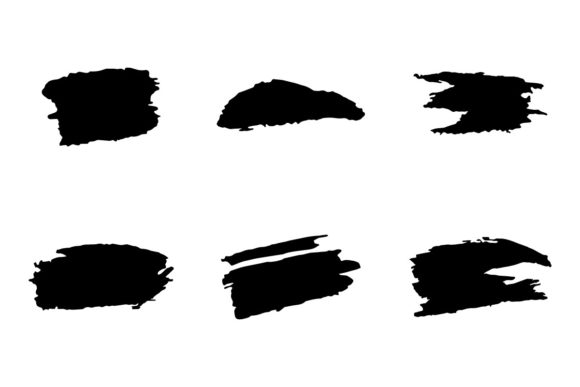
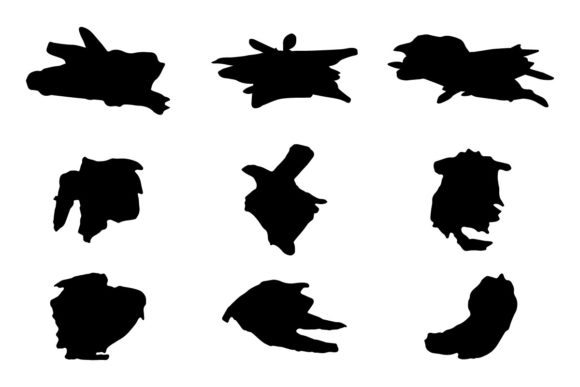
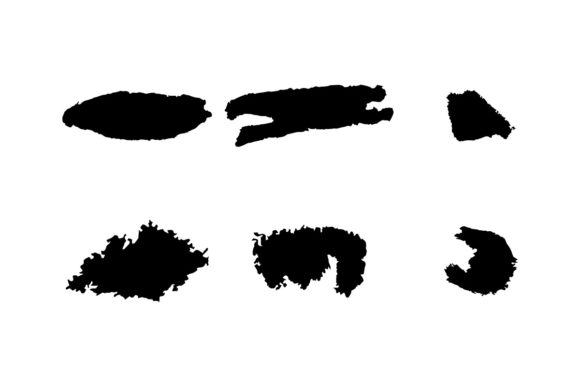
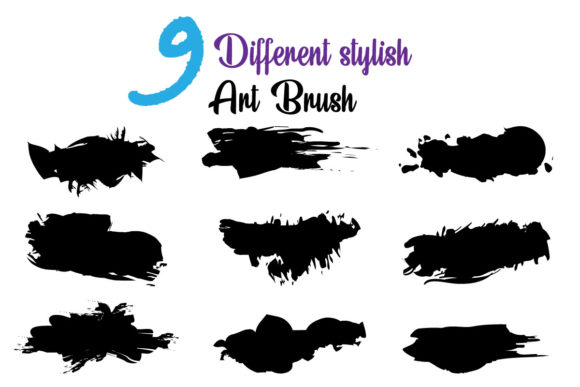
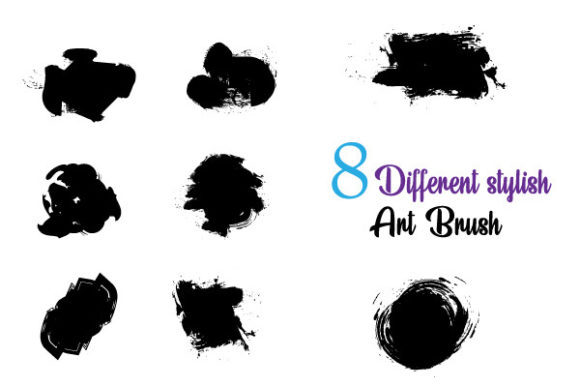
If you have ever felt that your vector work looks a little too "digital" or sterile, you are not alone. We often spend hours trying to mimic the organic feel of hand-drawn art inside Adobe Illustrator. This is exactly where the right Art Brushes with Different Style come into play. We are talking about a collection of exclusive brushes designed to break that perfection. These are messy, inky, rough, textured, and even glitchy assets that bring a distinct personality to your projects. They are not just random strokes; they are carefully crafted design assets that allow you to edit, combine, and manipulate them to fit your specific vision.
The Power of Organic Texture in Vector Design
In the world of modern typography and graphic design, there is a growing demand for authenticity. Polished, perfect vectors have their place, but they often lack the human touch that connects with an audience. This collection of Art Brushes with Different Style bridges that gap. The visual characteristics here are defined by imperfection. You will find strokes that look like they were made with a dry brush, ink splatters that feel spontaneous, and digital glitches that add a contemporary edge.
What makes these brushes particularly useful is their versatility. Because they are Adobe Illustrator CC files, they function as vector paths. This means you can scale them up for massive billboard designs or scale them down for intricate packaging details without losing quality. Unlike raster textures that pixelate, these brushes maintain their crispness while retaining that rough, hand-made aesthetic. For a designer, this is the best of both worlds: the flexibility of vectors with the soul of hand-drawn art.
Real-World Applications for Creators and Brands
You might be wondering where these specific styles fit into your workflow. The beauty of messy, textured brushes is that they are incredibly adaptable. They are not limited to one niche. Here is how different professionals can leverage them:
- Logo Design & Brand Identity: If you are building a brand for a brewery, a coffee shop, or an indie clothing line, these brushes help create a logo design that feels established and authentic. A rough stroke can communicate craftsmanship and tradition better than a standard sans serif font.
- Editorial & Packaging Design: In editorial design, you can use these brushes to create custom dividers, pull quotes, or background textures that break the grid. For packaging, a textured border can make a product stand out on the shelf, suggesting that the contents inside are artisanal.
- Digital & Social Media Graphics: On platforms like Instagram or TikTok, content needs to stop the scroll. Using glitchy or inky brushes on social media graphics adds a layer of "grunge" or "punk" attitude that resonates with younger demographics. It breaks the clean, corporate look that many users are tired of seeing.
- Publishing & Merch: For book covers, especially in the thriller or fantasy genres, a rough, textured typeface treatment can set the mood immediately. Similarly, for t-shirt designs or posters, these brushes allow you to create art that looks like screen printing or hand-painted stencils.
Customization: Making the Brushes Your Own
One of the standout features of this collection is the ease of customization. The files come in SVG and EPS formats, which are industry standards for compatibility. However, the real magic happens when you start editing them. These Art Brushes with Different Style are not static images. You can change the color instantly to match your brand identity. You can adjust the stroke weight to make the texture heavier or lighter. You can even combine different brushes on a single path to create complex, layered effects that no one else has.
Elevating Visual Hierarchy and Brand Perception
Design is about communication, and the tools you use dictate how your message is received. When you incorporate textured, rough elements into your work, you influence the viewer's perception on a subconscious level. A clean, sans serif layout is great for clarity, but adding a messy, inky accent can draw the eye to a specific call-to-action or headline. This creates a dynamic visual hierarchy.
Consider the difference between a standard corporate brochure and a festival poster. The brochure likely uses standard serif or sans serif fonts and clean lines to project professionalism and stability. The festival poster, however, needs to project energy, excitement, and maybe a little chaos. Using these textured brushes allows you to shift that brand perception instantly. It tells the audience that this brand is creative, edgy, and not afraid to break the rules.
Practical Tips for Integration
To get the most out of these assets, treat them as an accent rather than the main body of your work. While they are stunning, using a rough, glitchy brush for long paragraphs of body copy will hurt readability. Instead, use them for:
- Headlines and Titles: Make your main points impossible to ignore.
- Decorative Elements: Create borders, swirls, and background shapes that add depth to your layout.
- Custom Lettering: Use the brushes to draw your own display font or logotype for a truly unique look.
- Photo Overlays: Apply a brush stroke over an image to create a "mixed media" effect that blends photography with illustration.
Ultimately, the goal is to enhance your project, not overwhelm it. By layering these brushes over clean shapes or pairing them with a minimalist typeface, you create a contrast that is visually striking. This collection provides the tools to make your work feel less computer-generated and more human, which is often the key to capturing attention in a crowded market. Whether you are a hobbyist looking to spice up personal projects or a professional refining a brand identity, these assets offer a practical, high-impact solution.