Unleash Raw Texture with Messy Paint Art Brushes
There's a certain magic in imperfection. The drip of ink, the scratch of a dry brush, the grain of a textured stroke—these elements bring a human, tactile quality to digital work that clean vectors often lack. If your designs feel too polished or sterile, introducing controlled chaos is the answer. This is where a specialized collection of Paint Art Brushes for Adobe Illustrator transforms your toolkit, offering a library of messy, inky, and beautifully glitchy textures.
Understanding the Visual Personality of These Brushes
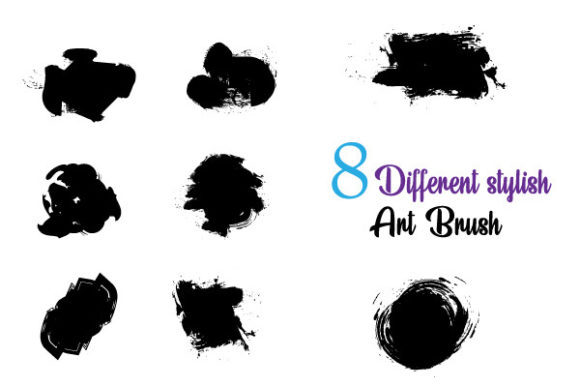
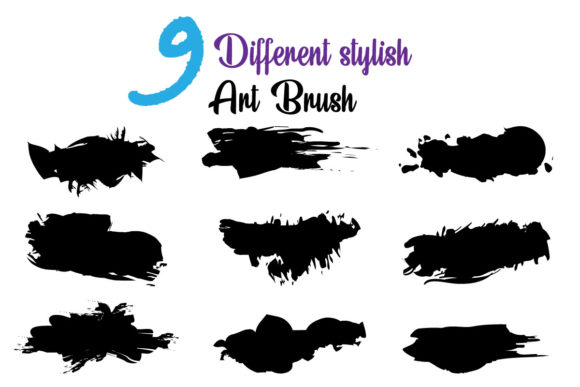
Forget the uniform, predictable lines of standard vector tools. These Paint Art Brushes are defined by their character. They are inherently rough, replicating the uneven pressure of a hand moving across canvas or paper. The textured quality means every stroke has grain and depth, absorbing light rather than reflecting it uniformly. The glitchy aspect introduces unexpected breaks and distortions, perfect for adding a modern, edgy, or even distressed aesthetic to your artwork.
This collection isn't just one style. It’s a varied suite, meaning you can find the perfect brush for different moods. One might emulate a thick, wet oil paint stroke, heavy and opaque. Another could be a dry, scratchy charcoal line, ideal for sketchy underpinnings. A third might mimic the unpredictable flow of a leaky fountain pen. The key is that they are all exclusive brushes, designed to work together. You can combine a bold, inky outline with a subtle, textured fill, or layer multiple strokes to build complex, organic compositions.
Where Messy Brushes Create Maximum Impact
The applications for this style of creative font—or in this case, brush—are vast, extending far beyond fine art. They are powerful design assets for anyone looking to inject authenticity into their projects.
- Branding & Logo Design: For brands that want to convey craftsmanship, individuality, or a rebellious spirit, these brushes are invaluable. A logo built with a textured, hand-drawn brush feels more personal and memorable than one made with geometric shapes. It works beautifully for artisanal food brands, indie music labels, boutique agencies, or eco-conscious products.
- Editorial & Packaging Design: In magazine layouts or book covers, these brushes create striking headlines and artistic accents that grab attention. For packaging, especially in the craft beer, cosmetics, or specialty coffee markets, the textured look communicates premium quality and small-batch care. It’s a visual shorthand for “made by hand.”
- Social Media & Web Graphics: In the endless scroll of digital feeds, a glitchy, textured graphic stops the thumb. Use these brushes to create unique Instagram story backgrounds, bold YouTube thumbnails, or website hero images that feel dynamic and alive. They add a layer of visual interest that flat colors and standard shapes cannot match.
- Personal Projects & Merchandise: For crafters and hobbyists, these brushes open up new possibilities. Design custom T-shirt graphics, create one-of-a-kind greeting cards, or produce art prints that have the depth and feel of traditional media. The ability to edit any color means your artwork can fit any palette or mood.
Practical Guidance for Using Messy Brushes Effectively
Adopting a textured style like this requires a thoughtful approach to ensure it enhances, rather than overwhelms, your design. Here’s how to integrate Paint Art Brushes successfully.
Evaluating Project Fit and Readability
First, consider your audience and message. While a glitchy brush is fantastic for a music festival poster, it might not be the best choice for a law firm’s annual report. The style should align with the brand’s personality. When using these brushes for text elements, readability is paramount. They are best suited for display font applications—short, impactful words like headlines, logos, or pull quotes. Avoid setting long paragraphs with highly textured strokes, as it can become visually fatiguing. Use them strategically as accents.
Mastering Font Pairing and Hierarchy
The strength of these Paint Art Brushes is often realized when paired with simpler typefaces. Create a strong visual hierarchy by contrasting the organic, messy brushwork with a clean sans serif font for body text. This contrast allows the textured elements to stand out without causing chaos. For example, a bold, inky brush headline paired with a neutral, modern sans serif for captions creates a balanced and professional layout. You could also use a serif font for a more classic, editorial feel, letting the brush strokes add a contemporary twist.
Leveraging Editable Features for Consistency
A major advantage of this collection is its editability. The files are provided in versatile formats like SVG and EPS, which are fully editable in Adobe Illustrator CC. This means you are not stuck with the default black ink. You can recolor any brush to match your brand identity’s color palette, ensuring consistency across all materials. You can also scale the brushes without loss of quality, adjust stroke weights, and combine them with other vector elements. This flexibility is crucial for maintaining a cohesive look across a website, social media, print collateral, and packaging.
Before committing, always test. Create a few mockups to see how the brushes interact with your chosen color scheme and layout. Check the commercial licensing if you plan to use the final work for a client or for sale. This due diligence is part of a professional workflow, ensuring your modern typography choices are both inspired and legally sound.
In a digital landscape saturated with perfection, embracing the raw, human quality of Paint Art Brushes offers a powerful way to differentiate your work. They provide the tools to create designs that feel lived-in, authentic, and full of energy—exactly what captures attention and builds connection today.