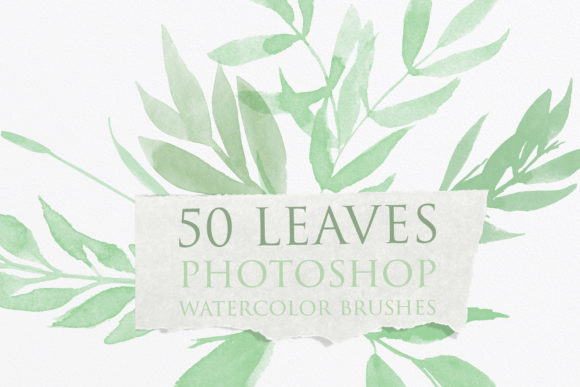
Elevate Your Designs with Leaves Photoshop Watercolor Brushes
There’s a certain magic to watercolor that digital design often struggles to capture. The soft bleeds, the natural texture, the way colors blend and layer with an organic feel—these are the qualities that make traditional art so appealing. For designers, marketers, and creators looking to inject that handmade warmth into their projects, a high-quality tool is essential. This is precisely where a set of Leaves Photoshop Watercolor Brushes becomes an invaluable asset, bridging the gap between analog charm and digital precision.
The Organic Appeal of Hand-Painted Digital Assets
This specific collection is more than just a set of stamp brushes; it’s a curated toolkit born from a traditional artist's process. Each leaf was originally painted with watercolor on paper, then meticulously scanned at high resolution. This origin story is crucial. Unlike brushes generated entirely in software, these retain the subtle imperfections, the varied opacity of the washes, and the genuine texture of paper grain. The result is a set of design assets that feel authentic and alive.
The visual personality of these leaves watercolor photoshop brushes is versatile. They can evoke a sense of rustic elegance, bohemian flair, or clean, modern botanical style depending on how they are used. The inherent softness of the watercolor effect makes them feel approachable and less harsh than vector graphics. This quality is perfect for projects aiming for a human touch, helping to build a brand identity that feels genuine and relatable rather than overly corporate.
Practical Applications: From Branding to Personal Projects
Understanding where these brushes excel is key to unlocking their value. Their primary strength lies in adding decorative, organic elements that enhance rather than overwhelm. Consider these real-world applications:
- Social Media Graphics: Create eye-catching Instagram stories, Pinterest pins, or Facebook posts. A watercolor leaf border or a scattered leaf background can instantly elevate a simple quote or product photo, making it more shareable and visually consistent with a nature-inspired or artisanal brand.
- Wedding and Event Stationery: Design save-the-dates, invitations, programs, and menus with a soft, romantic aesthetic. The brushes are perfect for creating delicate floral accents, corner decorations, or wreaths that set a beautiful, cohesive tone for the event's visual identity.
- Editorial and Blog Design: Enhance blog post headers, chapter dividers, or pull quotes in digital and print publications. For lifestyle, wellness, or travel blogs, these elements add a layer of visual interest that engages readers and breaks up text-heavy pages effectively.
- Logo and Brand Identity: While not for the primary logotype, these creative font companions can be used to develop supporting brand elements. Think of a logo submark with a watercolor leaf accent, or patterns for business cards, packaging, and website backgrounds that reinforce a cohesive brand story.
- Greeting Cards and Craft Projects: For hobbyists and crafters, the applications are endless. Design custom cards, scrapbook layouts, or printable art. The ability to change the color and opacity means a single brush can produce dozens of unique looks.
Mastering the Tool: Practical Guidance for Maximum Impact
Simply having the brushes isn’t enough; using them effectively requires some thoughtful application. Here’s how to integrate them seamlessly into your workflow.
Evaluating Fit and Font Pairing
First, assess if the watercolor style aligns with your project’s tone. It pairs exceptionally well with certain typography. Try combining the organic leaves with a clean sans serif font for a balanced, modern look. For a more classic or elegant feel, a serif font or a sophisticated script font can create beautiful contrast. Avoid pairing them with other highly decorative or handwritten font styles, as this can create visual clutter. The goal is to let the watercolor elements complement the type, not compete with it.
Technical Tips for Realistic Results
- Color and Transparency: Don’t just use them in green. Sample colors from your brand palette or your main photograph to create harmony. Adjusting the layer’s opacity is the simplest way to soften the effect, making the leaves look like a gentle wash in the background.
- Blend Modes are Your Friend: Experiment with Photoshop’s blend modes. Multiply will darken and blend, making leaves look like they’re printed on the paper. Screen or Lighten can create a luminous, almost ethereal effect. Overlay can add texture while preserving underlying details.
- Layering and Composition: Build depth by using multiple layers. Place some leaves in the foreground with higher opacity and sharper edges, and others in the background with lower opacity. Rotate and flip individual stamps to avoid a repetitive, patterned look. This creates a more natural, scattered composition.
- Licensing for Commercial Use: Always check the license. A reputable premium font or brush set will clearly state its terms. This set, designed for broad use, allows you to incorporate the elements into projects for clients or for sale, like on printed merchandise or in template kits, which is a significant advantage for professionals.
In the realm of modern typography and design, having a diverse library of assets is crucial. These Leaves Photoshop Watercolor Brushes offer a specific, high-quality solution for adding organic texture and visual warmth. They solve the common problem of digital work feeling sterile, providing a direct link to traditional artistry. By understanding their personality, testing them in context, and applying them with technical care, you can transform ordinary layouts into compelling visual stories that resonate with your audience on a more human level. They are not just a decorative add-on, but a strategic tool for enhancing brand perception and creative expression.